

Concrete Ideas, Lasting Impact – Rustomjee’s Urban Philosophy
Mr. Chandresh Mehta Executive Director Rustomjee Group

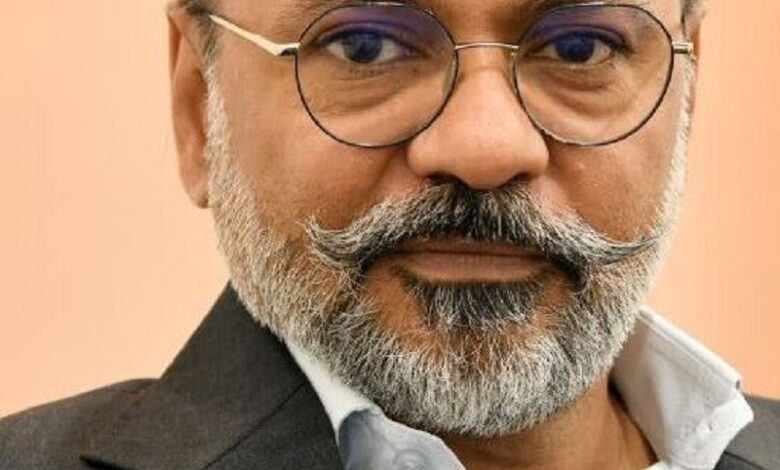
“Rustomjee has long stood as a torchbearer of thoughtful urban development, blending design, innovation, and community living. Under the astute leadership of Mr. Chandresh Mehta, the brand has evolved from a builder of homes to a creator of holistic lifestyles. With sustainability at its heart, cutting-edge technology at its fingertips, and a finger on the pulse of consumer aspirations, Rustomjee is redefining how India lives. From green-certified landmarks to community-first layouts, every project hits the nail on the head in addressing modern needs. As the real estate tides turn, Rustomjee stays ahead of the curve—crafting future-ready homes built to stand the test of time.”
How do you view the evolving landscape of the residential and luxury real estate industry in India today?
India’s residential and luxury real estate is evolving from a square-footage mindset to a lifestyle-driven approach. As per Knight Frank India’s Q1 2025 market review, home sales above ₹2 crore surged 28% year-on-year, while premium and luxury home sales above ₹10 crore rose by 114% year-on-year. This reflects a clear shift towards quality living and premium experiences.
In Mumbai, where land scarcity shapes the urban fabric, thoughtfully planned gated communities are emerging as the preferred way forward, offering wellness amenities, curated open and recreational spaces for all generations within a secure enclave. Today’s luxury home buyer seeks more than just marble floors and high ceilings—they place equal importance on enriching experiences, privacy, sustainability, and vibrant community spaces that foster meaningful connections.
Can you take us through your journey — from a single visionary idea to over completed projects? What were the defining milestones?
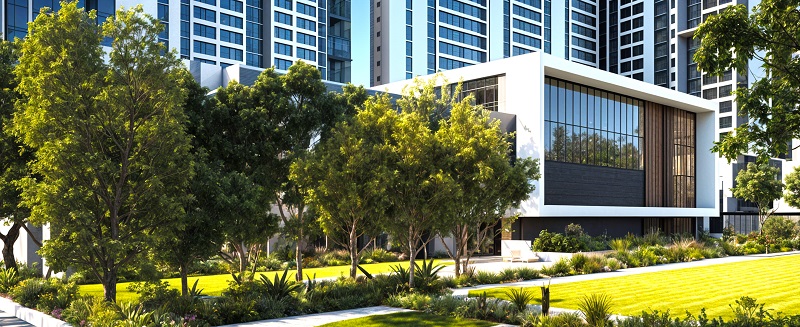
Our journey has always been about thoughtful design principles that transform houses into homes and offices into innovation centres. We have believed that homes must come with safety, natural landscapes, and community life. Rustomjee Urbania in Thane was one of the pioneers in the market—over a100-acre township with its own school, retail, and parks, at a time when Thane was still emerging. Rustomjee Crown redefined luxury in South Mumbai with spacious layouts that support a holistic lifestyle, and thoughtfully curated experiences.
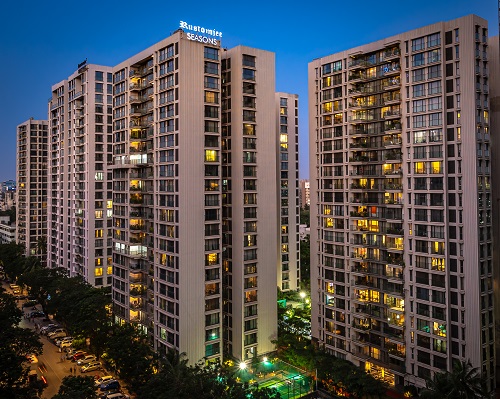
Rustomjee Seasons in BKC Annexe, set a benchmark for gated community living with premium amenities in a busy corporate hub, while Rustomjee Paramount in Khar combined smart design with premium urban living. Each project redefined quality living and inspired us to build better neighbourhoods, not just buildings.
With the RBI slashing the repo rate, how do you see this impacting housing demand, project financing, and overall market sentiment?
The recent 50 bps repo rate cut by the RBI, lowering it to 5.50%, has boosted housing sentiment significantly. For homebuyers, it enhances affordability—a fixed EMI of ₹10,000 now translates to a higher loan eligibility, enabling purchase of larger homes. This mirrors the 2020–21 trend when a 4% repo rate led to a 50% spike in housing registrations in Mumbai.
For developers, the rate cut reduces borrowing costs, easing project financing and improving working capital management. Additionally, the 1% CRR reduction has infused ₹2.5 lakh crore into the banking system, encouraging lending to credible developers and homebuyers.
Investor sentiment also surged: the Nifty Realty Index rose 2%, and individual developers saw a 4–8% market cap gain. With rising urban incomes and strengthening rents, the cut reaffirms real estate’s value as a lifestyle choice and wealth-building asset, encouraging both end-user and investor participation in the housing market.
What kind of relief or opportunity does this monetary easing bring for developers in terms of financing ongoing or stalled projects?
Lower interest rates reduce the cost of debt, which helps developers refinance old loans, clear backlogs, and fast-track delivery. Smaller developers who struggled with high-cost borrowing can now access credit more easily. For the industry, better cash flow means funds can go into improving project quality instead of servicing expensive loans.
At Rustomjee, we have always followed financial discipline. We have always been frugal with our capital, having said that, this will lead to better net margins.
How are you incorporating emerging trends like smart home technology and sustainable building practices into your projects?
At Rustomjee, innovation is driven by the goal of simplifying everyday life. Our homes feature smart technologies like climate automation and secure access systems that enhance comfort and efficiency. Sustainability is deeply embedded in our developments through the use of smart lighting, CRC systems, and advanced HVAC solutions in public areas. Most of our projects incorporate rainwater harvesting, sewage treatment, and solar power. We emphasize native landscaping to support biodiversity and reduce maintenance. Eco-friendly materials like low-VOC paints, energy-efficient glass, and locally sourced resources are standard across projects. Our IGBC Silver-certified developments—Rustomjee Crown and Azziano—reflect this commitment. At Rustomjee Belle Vue in Kasara, we extend these principles to premium second homes, blending urban comforts with sustainable design in a natural setting. We’ve also initiated Life Cycle Assessments (LCAs) to understand environmental impact, ensuring that each Rustomjee community is smart, responsible, and built for the future.
Green buildings are gaining traction across the globe. What steps has your company taken toward sustainable, technology-driven transformations?
At Rustomjee, sustainability is a core philosophy embedded in every stage—from design and construction to resident living. With India emerging as a global leader in green building footprints, we aim to push this benchmark forward through environmentally conscious developments. Our project Urban Woods exemplifies this vision with 2.2 acres of open green spaces, traditional Aangan-style courtyards for natural ventilation, and community interaction. Sustainable elements like rainwater harvesting, energy-efficient lighting, eco-friendly materials, and responsible waste management are integral to the design. These features not only reduce environmental impact but also enhance residents’ quality of life with cleaner air and lower utility costs. Looking ahead, we are embracing IoT-enabled monitoring and smart building management systems to optimize water and energy use in real time. This data-driven approach ensures our sustainability efforts are measurable and aligned with India’s vision for smarter, greener cities—not just today, but for the future.
How has the recent 50 bps repo rate cut impacted housing demand and project financing, and what structural challenges must still be addressed to unlock the sector’s full potential?
The recent 50 bps repo rate cut by the RBI, reducing it to 5.50%, has significantly boosted housing affordability and sentiment. A ₹10,000 EMI now qualifies buyers for a higher loan, enabling them to opt for larger homes—similar to the 2020–21 period when record-low rates drove a 50% surge in registrations in Mumbai. For developers, lower interest rates ease project financing and improve working capital, while the 1% CRR cut has injected ₹2.5 lakh crore into the banking system, encouraging lending.
However, challenges persist. Homebuyers lose nearly ₹400 per sq. ft. due to lack of GST input credit, and steep stamp duties of 7–9% make housing less affordable. Streamlining approvals and rationalising taxes could reduce costs by up to ₹13 lakh on a ₹1.5 crore home. Structural reforms, alongside monetary easing, are essential to unlock the full potential of India’s housing sector.
Looking ahead, how do you envision the future of residential/commercial real estate in India, especially post-2025?
I foresee India’s real estate becoming more structured, transparent, and technology driven. Gated communities—where thoughtfully planned homes, shared spaces, and a complete lifestyle experience come together are redefining modern urban development. Sustainability, too, will shift from being an option to an expectation, as buyers consciously seek certified green homes and that actively reduce environmental impact.
In commercial real estate, the hybrid work model will continue to reshape how offices are designed and used. Office spaces located at the heart of opportunity—close to homes, transit, and everyday essentials—are reshaping the future of work-life integration. At Rustomjee, we are steadily expanding our commercial footprint alongside residential, which enhances our combined presence in the MMR. For us, the goal is clear: to build communities and workspaces that stand the test of time and adapt to how urban India chooses to live, work, and thrive.

