
Retail Redefined: How Uber-Luxury Malls Are Reshaping Lifestyle and Investment in NCR
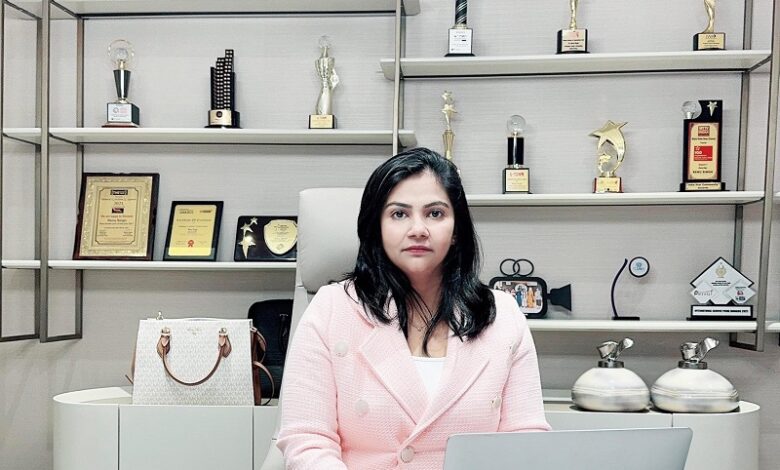
Dr. Renu Singh- Director- Sales & Marketing, Aarize Group

Over the last decade, the retail landscape of the National Capital Region (NCR) has undergone a remarkable evolution. No longer just centers for shopping, today’s high-end retail spaces are positioning themselves as curated lifestyle destinations. At the heart of this transformation is the rise of uber-luxury malls—spaces that merge global luxury, wellness, entertainment, gastronomy, and art, creating immersive environments that cater to the aspirations of India’s growing affluent class. This redefinition is not just reshaping consumer experiences, but also influencing real estate investment patterns and regional urban planning across NCR.
The Shift to Experiential Luxury
The affluent consumer in NCR today demands more than premium products; they seek experiences that align with their lifestyle and status. Uber-luxury malls have responded to this shift by blending high-end retail with curated events, bespoke concierge services, art galleries, wellness zones, rooftop lounges, and fine-dining experiences. These malls are no longer enclosed commercial spaces—they are destinations in themselves, where design, branding, and community engagement intersect.
For instance, spaces in Delhi and Gurgaon now house flagship stores of international luxury brands like Louis Vuitton, Gucci, Cartier, and Hermès, alongside exclusive homegrown labels and concept stores. These brands are leveraging mall environments that reflect their brand identity—through avant-garde architecture, premium interior aesthetics, and tailored customer engagement—to provide an environment that resonates with the luxury lifestyle.
Lifestyle Ecosystems over Retail Spaces
The idea of uber-luxury malls as “lifestyle ecosystems” is central to their success. A luxury mall today is strategically designed not just to attract footfall, but to influence how people spend their time, interact socially, and envision their lifestyle aspirations. They incorporate boutique hotels, private clubs, art installations, event venues, and even co-working lounges to appeal to a diverse yet discerning clientele. The result is a seamless blend of luxury consumption and lifestyle integration.
In NCR, this shift is visibly influencing high-net-worth individuals (HNIs) and international buyers who view such malls as lifestyle anchors for high-end residential and commercial real estate investments. Integrated developments—where luxury malls are part of larger mixed-use ecosystems that include upscale residences, Grade A offices, and five-star hospitality—are emerging as a preferred asset class for investors.
Real Estate Impact: Capital Appreciation and Value Perception
Uber-luxury malls significantly impact the valuation and perception of surrounding real estate. Residential projects in close proximity to such malls often witness increased demand and higher premiums. In Gurgaon and Noida, for example, projects located within 2-5 km of these retail hubs have reported higher appreciation rates compared to standalone developments. For developers, the inclusion of a luxury retail component within their master plan not only adds brand value but also boosts end-user confidence.
Moreover, the spillover of global design standards and operational excellence from retail to residential and office components within mixed-use developments is creating a new benchmark for real estate quality in NCR. This integration also aligns with the growing preference for ‘walk-to-lifestyle’ urban living among millennials and NRIs.
Investor Confidence and Institutional Interest
Institutional investors, both domestic and global, are increasingly eyeing the uber-luxury retail segment in NCR. The combination of high rental yields, long-term brand leases, and premium tenant profiles offers a stable investment model. REITs and private equity funds are now more inclined towards luxury-led commercial spaces that demonstrate sustained footfall, consistent sales performance, and architectural distinctiveness.
Furthermore, with e-commerce gradually stabilizing and luxury consumption moving beyond price to experience, the fear that online retail will eat into physical store revenues has been mitigated—especially in the premium segment. Uber-luxury malls offer what e-commerce can’t: touch, feel, ambiance, and exclusivity. This reaffirms their strategic importance in urban retail planning.
The Road Ahead
As cities compete for talent, tourism, and capital, the role of luxury retail spaces as urban identity markers is expanding. NCR’s uber-luxury malls are not just about high-end shopping—they’re about crafting a narrative of urban sophistication, cultural engagement, and lifestyle desirability. For the well-heeled consumer, they offer an ecosystem of indulgence; for developers and investors, they provide a high-return, future-ready asset.
In redefining retail, these malls are also redrawing the map of aspiration-led development in NCR. Whether it’s through inspiring architectural landmarks or multi-sensory consumer journeys, uber-luxury malls are here to stay—as epicenters of commerce, culture, and capital.

