

Shapoorji Pallonji: Icons in Concrete — More Than Buildings, Building Nations
Mr. Venkatesh Gopalakrishnan Director, Group Promoter’s Office, MD Shapoorji Pallonji Real Estate (SPRE)

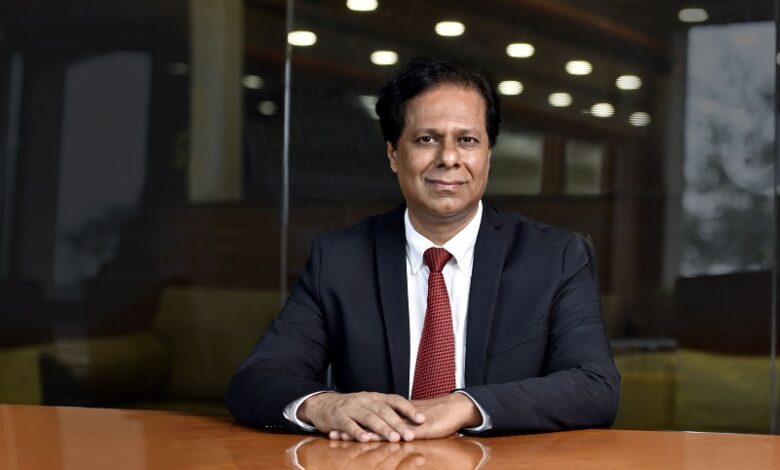
“Shapoorji Pallonji has long been a cornerstone of India’s real estate evolution. Under the strategic leadership of Mr. Venkatesh Gopalakrishnan, the brand continues to break new ground with iconic developments like The Imperial. Renowned for turning vision into value, the company blends engineering precision with future-forward thinking. With sustainability as a core pillar and innovation at every turn, Shapoorji Pallonji is building more than just structures—it’s shaping lifestyles. As it expands its footprint into emerging markets, the company is hitting the nail on the head—delivering quality, trust, and timeless architecture, project after project.”
How do you view the evolving landscape of the residential and luxury real estate industry in India today?
India’s real estate market is undergoing rapid transformation, driven by rising consumer aspirations, infrastructure upgrades, and evolving lifestyles. Buyers today are seeking integrated living, smart technologies, sustainability, and quality design. Luxury is being redefined from material opulence to a meaningful living experience that prioritises wellness, aesthetics, and connectedness. Overall, the sector is maturing, with tech integration, green design, and evolving buyer expectations at its core. The focus now is on well-connected, experience-driven developments that blend convenience, sustainability, and long-term value.
Can you take us through your journey, from a single visionary idea to over-completed projects? What were the defining milestones?
Shapoorji Pallonji Real Estate’s journey has been one of evolution, rooted in a 160-year legacy of engineering excellence and shaped by a vision to redefine urban living. A key milestone in this journey was The Imperial in Mumbai. This project not only changed the city’s skyline but also created a meaningful social impact by rehabilitating over 4,000 families. Since then, we have expanded across India’s metro cities, navigating changing market trends while staying anchored to our core values: trust, transparency, and uncompromising quality. Each project reflects our commitment to building not just structures, but enduring value for communities and cities alike.
With the RBI bringing down the repo rate to 6%, do you anticipate stronger housing demand or improved access to project financing?
Absolutely. With the RBI bringing the repo rate down to 6%, we expect a dual boost: stronger housing demand and improved access to project financing. Lower interest rates make home loans more affordable, encouraging buyers, especially in the mid- and premium segments, to enter the market. At the same time, developers benefit from easier and cheaper access to capital, which can accelerate project launches and inventory movement. If banks effectively pass on the rate cut, this move could significantly energise both sides of the real estate ecosystem.
What kind of relief or opportunity does this monetary easing bring for developers in terms of financing ongoing or stalled projects?
Monetary easing creates liquidity in the system, which is crucial for project continuity. With easier access to capital, developers can accelerate construction timelines, maintain supplier confidence, and revive projects that have been delayed. The easing also helps in optimising financial structuring for upcoming developments.
How are you incorporating emerging trends like smart home technology and sustainable building practices into your projects?
We’re closely observing emerging trends in smart home technology and are open to incorporating them as they align with customer needs and expectations. Currently, our primary focus is on sustainable building practices, which we view as both a responsibility and a value-added approach. From rainwater harvesting and solar power integration to efficient waste management and eco-friendly construction materials, sustainability is a core part of how we plan and execute our projects. It’s a long-term commitment to building healthier communities and contributing positively to the environment.
Green buildings are gaining traction across the globe. What steps has your company taken toward sustainable, technology-driven transformations?
Sustainability is not a buzzword for us—it’s a core operational principle. Many of our projects are being developed with IGBC and GRIHA certifications in mind. We’ve adopted low VOC paints, reflective roof materials, and eco-sensitive construction methods. Several of our projects are designed to meet IGBC and other green building certification standards. While we continue to adopt sustainable construction techniques, we are also exploring opportunities to integrate technology where it can enhance efficiency, reduce environmental impact, and create long-term value for both residents and the planet.
India’s Tier-2 cities are becoming real estate hotspots. How are you tapping into this trend, and what excites you about these markets?
Tier-2 cities are undoubtedly emerging as vibrant real estate hubs, driven by rapid infrastructure development and shifting lifestyle preferences. While our current focus remains on metro markets, we’re closely observing the evolving dynamics in these regions. The rise of tier-2 cities reflects the broader transformation of India’s urban landscape, and we see this trend as a positive indicator of the sector’s depth and resilience. It reinforces the need for adaptable, future-ready development models that can respond to diverse market needs across the country.
What challenges do you foresee in the industry, and how do you plan to navigate them innovatively?
Key challenges include regulatory delays, rising construction costs, and the need for continuous capital infusion. Moreover, buyer expectations around delivery timelines and transparency are only intensifying. The way forward lies in staying agile, adapting to policy shifts, leveraging data for sharper decision-making, and streamlining construction through better planning and sustainable practices. Our focus remains on strengthening execution, enhancing customer trust, and building projects that deliver long-term value. Innovation, for us, isn’t just about technology; it’s about rethinking processes to build smarter, faster, and more responsibly.
Looking ahead, how do you envision the future of residential/commercial real estate in India, especially post-2025?
Post-2025, we anticipate that residential and commercial real estate in India will become more experience-driven, customer-centric, and sustainably built. In residential, buyers will continue to prioritise well-designed, efficient spaces with access to lifestyle amenities and strong infrastructure. Demand will shift toward integrated townships and low-density, future-ready communities.
On the commercial side, flexible workspaces, ESG-compliant buildings, and mixed-use developments will become the norm. Technology and sustainability will drive both segments, while regulatory clarity and urban infrastructure will play key roles in shaping growth. Overall, the future is promising, rooted in quality, innovation, and long-term value creation.

