
How Global Capability Centres Are Creating India’s Next Housing Hotspots


The rise of Global Capability Centres (GCCs) is no longer just a commercial real estate story, but is becoming a strong force reshaping India’s residential landscape. While discussions around GCCs often focus on office leasing and employment generation, their most enduring impact may well be on where and how people choose to live.
Across India, multinational corporations are expanding their GCC footprint to tap into the country’s engineering talent, digital capabilities and innovation ecosystem. Pune has emerged as one of the biggest beneficiaries of this transformation. Its deep pool of skilled professionals, competitive operating costs, strong industrial heritage and high quality of life have positioned it as one of the country’s most preferred destinations for global enterprises.

Unlike traditional IT parks of the past, today’s GCCs employ highly skilled professionals across artificial intelligence, cybersecurity, product engineering, financial services and advanced manufacturing. This has fundamentally changed residential demand. These professionals are not looking for entry-level apartments; they are seeking spacious, thoughtfully designed homes that support both their professional and personal aspirations. Well-planned 2.5 and 3 BHK residences within secure, amenity-rich communities are increasingly becoming the preferred choice.
As employment clusters expand, housing demand naturally follows. In Pune, eastern corridors such as Kharadi, Wagholi and Viman Nagar, along with western micro-markets including Hinjawadi, Wakad, Balewadi and Ravet, are witnessing sustained residential growth. The preference is clear: people increasingly want to live closer to where they work, reducing commuting time while improving their overall quality of life.
Infrastructure is amplifying this shift. Metro expansion, the proposed Ring Road and continuous road network upgrades are transforming peripheral locations into highly connected residential destinations. As connectivity improves, these emerging corridors quickly evolve into complete neighbourhoods supported by schools, healthcare facilities, retail, hospitality and recreational infrastructure. Housing demand is no longer driven by location alone, but by the ability of a micro-market to offer a complete urban ecosystem.
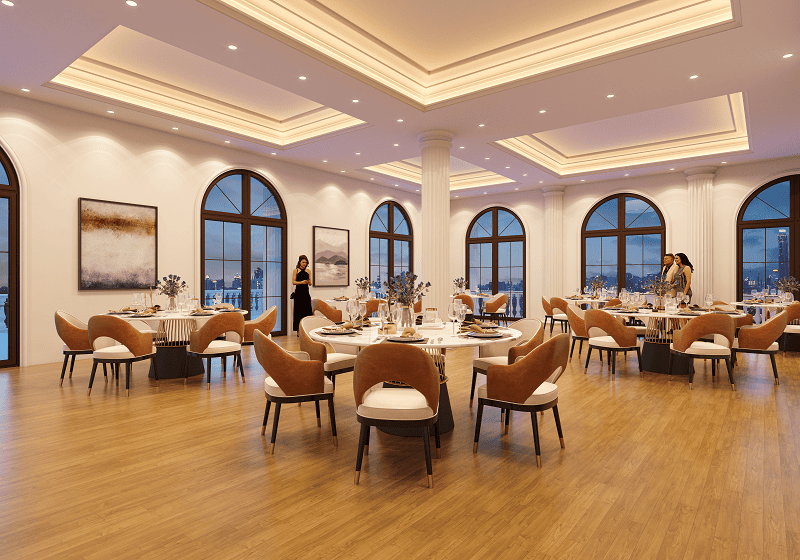
Equally important is the evolution of buyer expectations. Hybrid work has permanently altered the way professionals use their homes. Buyers increasingly seek flexible layouts, dedicated workspaces, technology-enabled features, energy-efficient design, EV charging infrastructure, generous open spaces and community amenities that support wellness alongside productivity. Residential developments are therefore expected to function as integrated living environments rather than standalone housing projects.
For developers, this changing landscape calls for a more strategic approach. Success will increasingly depend on identifying growth corridors before they fully mature, particularly locations that offer strong infrastructure potential within easy reach of major GCC campuses. At the same time, delivering quality construction, functional design, timely execution and long-term reliability has become more important than ever. Corporate professionals value trust, transparency and execution capability as much as they value location.
As Pune continues to strengthen its position as a global GCC destination, residential real estate will increasingly be shaped by genuine end-user demand rather than speculation. The next housing hotspots will develop wherever employment, infrastructure and quality of life converge. GCCs are accelerating that convergence, creating vibrant residential ecosystems that support India’s knowledge economy while defining the next chapter of urban growth.

