
Setting New Benchmarks Through Innovative Building Solutions

“As India witnesses an unprecedented wave of mega projects, high-rise developments, smart cities, and luxury hospitality destinations, fenestration is emerging as a critical element of modern construction. Beyond aesthetics, advanced window and door systems now influence energy efficiency, acoustic comfort, safety, sustainability, and overall building performance. Dr. H. C. Mario Schmidt shares insights on the evolution of the fenestration industry, Lingel’s growth journey, and the role of intelligent fenestration in shaping future-ready developments.”

You have witnessed the evolution of the fenestration industry over nearly three decades. How has the rise of mega projects and large-scale urban developments transformed the role of fenestration in modern construction?
My journey in the fenestration industry began in 1994 in Saxony, Germany, when I joined a window manufacturing facility and developed a deep interest in the technologies and engineering behind modern window systems. In 2005, Lingel entrusted me with the responsibility of establishing its uPVC window operations in India, and I moved here in April 2006.
When we entered the Indian market, uPVC windows were still a relatively new concept. Considerable effort went into educating architects, developers, and customers about the long-term value of quality fenestration. Over the years, awareness has grown significantly, and today fenestration is viewed as a critical component of building performance rather than simply an architectural element.
The rise of mega projects, smart cities, high-rise developments, airports, hospitality projects, and premium residential communities has further accelerated this transformation. Modern projects demand energy efficiency, acoustic comfort, structural safety, sustainability, and superior aesthetics simultaneously.
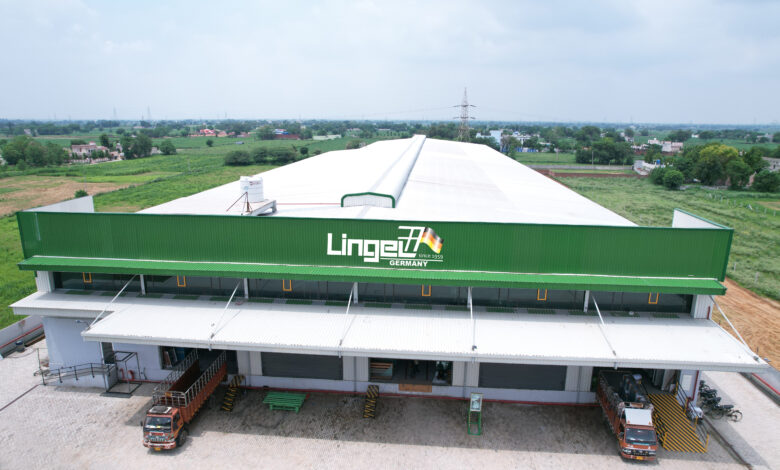
For Lingel, key milestones have included the launch of Lingel Aluminium 6.0 in 2017, expansion across India through experience centres and channel partners, successful project execution in international markets such as Nepal and Dubai, and the establishment of our eco-friendly manufacturing facility in Rewari. These developments reflect our commitment to innovation, advanced manufacturing, and future-ready solutions for large-scale infrastructure and real estate developments.
As India undertakes increasingly complex mega projects, how is Lingel contributing through sustainable and energy-efficient fenestration solutions?
Sustainability today is one of the most important considerations in modern construction. However, we believe sustainability cannot be achieved through a standard solution for every project. It requires a deep understanding of local climate conditions and building requirements.
At Lingel, our philosophy is simple: the most effective way to reduce heat gain is to stop sunlight before it reaches the glazing. This is why we strongly advocate external shading systems, which can reduce solar heat gain by up to 70 percent. We offer a variety of shading solutions and integrated blinds within insulated glass systems that help regulate heat and light while maintaining aesthetic appeal.
India’s climatic diversity requires customized approaches. In extremely hot regions such as Delhi, where temperatures can exceed 50°C, we often recommend insulated aluminium roof panels instead of fully glazed roofs to significantly reduce heat penetration. In colder regions such as Himachal Pradesh, Uttarakhand, or Coonoor, our systems are designed to maximize natural solar heat gain and improve indoor comfort.
As developers increasingly focus on green buildings, energy efficiency, and occupant wellness, climate-responsive fenestration solutions are becoming indispensable to sustainable infrastructure development.
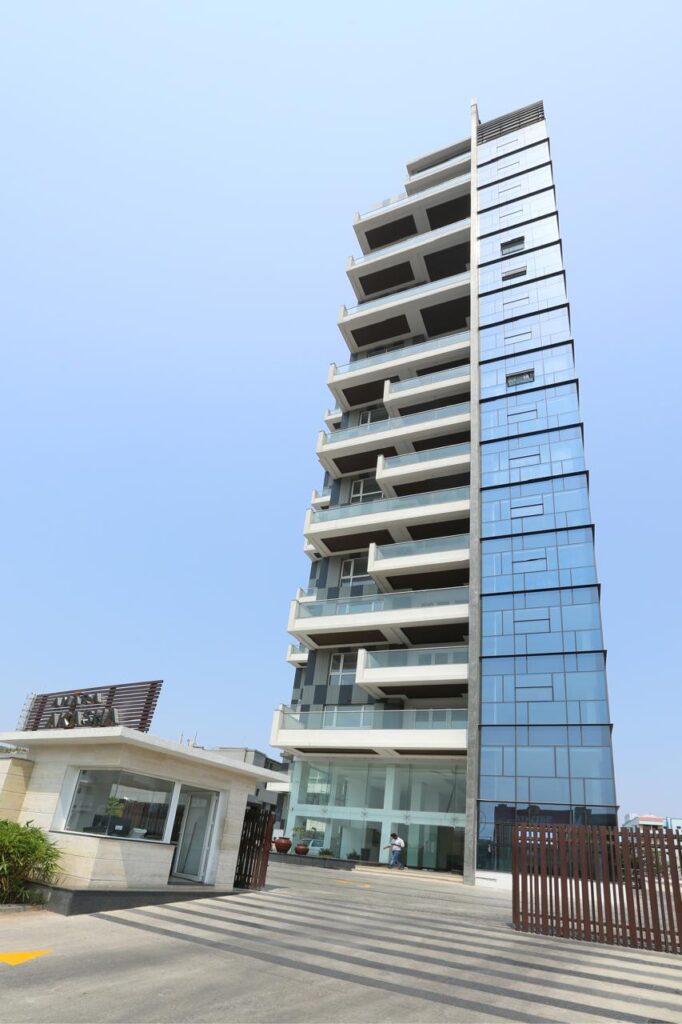
High-rise towers, mixed-use developments, airports, and commercial hubs are becoming defining features of India’s urban landscape. What are the key considerations when designing fenestration systems for such projects?
High-rise and large-scale developments present unique engineering challenges, with wind pressure being one of the most critical factors. India experiences diverse wind conditions, ranging from moderate inland zones to highly demanding coastal and cyclone-prone regions.
Our systems are tested in accordance with IS 875 Part 3, which governs wind loads on buildings in India. Lingel’s uPVC and aluminium systems are tested up to 3.0 kPa and beyond failure loads of 4.5 kPa, ensuring structural stability, minimal deflection, and long-term performance under extreme conditions.
However, structural strength alone is not enough. High-rise façades must also withstand heavy rainfall, extreme temperatures, and long-term environmental exposure. Multi-chambered profiles, steel reinforcements, advanced sealing systems, and high-performance hardware play a crucial role in maintaining air tightness, water tightness, and operational reliability.
These technologies allow architects to design expansive glazed façades and larger openings while ensuring safety, durability, and performance key requirements in today’s landmark developments.
Large hospitality projects, luxury resorts, and premium developments are increasingly prioritising occupant experience. What trends are you witnessing in these segments?
One of the strongest trends we see today is the growing focus on acoustic comfort. Luxury hospitality projects are no longer evaluating fenestration only from an aesthetic perspective. They expect systems that combine noise reduction, energy efficiency, security, durability, and visual appeal.
Lingel has delivered solutions for projects including The Leela Gurgaon, Taj Connemara Chennai, Hyatt Rameswaram, Le Méridien Goa, Holiday Inn Goa, JW Marriott Goa.
A notable example is the Fortel Hotel near Chennai’s Egmore Railway Station, where external noise levels exceeded 110 decibels. Through specialized acoustic fenestration systems, noise levels were reduced from 100+ decibel external noise to around 37 dB inside the hotel rooms a noise reduction of nearly 70 dB significantly enhancing guest comfort and indoor acoustic performance.
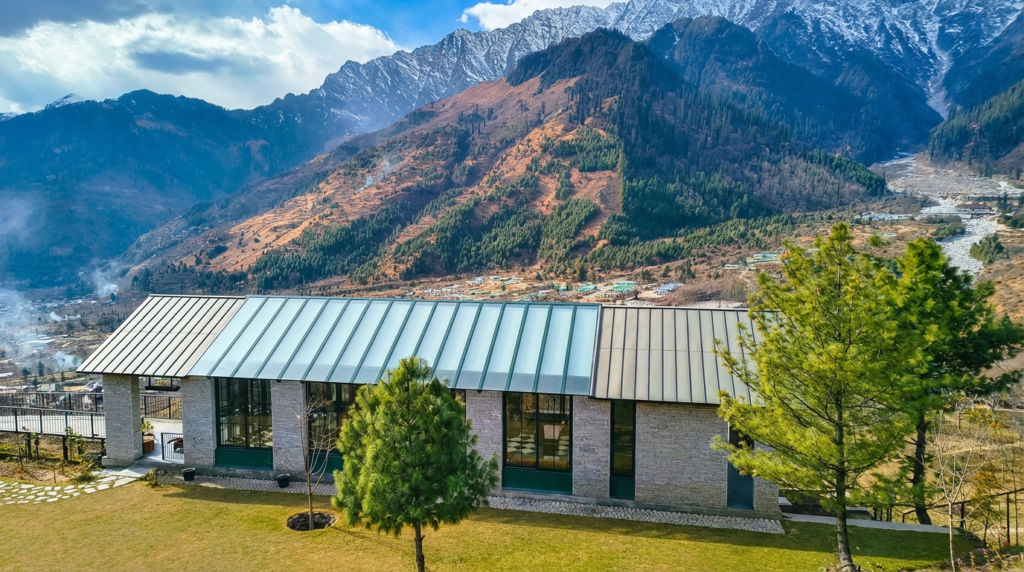
For luxury resorts and farmhouses, the demand is slightly different. Customers prefer panoramic views, larger glazed openings, maximum natural light, weather resistance, thermal insulation, and low-maintenance systems. Across all hospitality segments, the focus has shifted towards creating exceptional guest experiences through superior comfort and performance.
What is driving innovation in fenestration today, and how are Lingel’s solutions helping shape modern living and working spaces?
Today’s customers are looking for solutions rather than products. They want systems that improve comfort, energy efficiency, safety, acoustics, and overall building performance.
Lingel offers highly customized solutions across uPVC, aluminium, oak wood, and timber segments for residential, commercial, hospitality, healthcare, and institutional projects. Our portfolio includes timber and oak wood windows, glass conservatories, Venetian blinds, roller shutters, window sills, architraves, and uniquely shaped architectural windows.
Among our key innovations is the thermally broken aluminium system developed in partnership with Hueck, Germany, offering excellent thermal insulation and energy efficiency. We have also introduced specialized systems such as Lingel Panzer Glazing (LPG) and Lingel Safety Box (LSB), which enhance security, acoustic performance, and durability.
As buildings become smarter and more sophisticated, fenestration is evolving into an integrated performance solution that contributes directly to occupant comfort, sustainability, and operational efficiency.
What is your long-term vision for Lingel, and how do you see the future of the fenestration industry evolving alongside India’s mega project ambitions?
India is entering a new phase of infrastructure and urban development, where projects are becoming larger, more complex, and more performance-driven. Consequently, the future of fenestration will move decisively toward highly customized and project-specific solutions.
Our vision is to expand our channel partner network across India while strengthening our position in the premium fenestration segment. We anticipate increasing demand for technically advanced systems that integrate seamlessly with complex architectural designs and deliver measurable performance benefits.
Rather than simply supplying windows and doors, our objective is to provide complete engineered solutions tailored to the specific requirements of each project. All our systems are backed by third-party structural certifications, giving developers confidence in safety, durability, and long-term reliability.
Beyond business growth, I remain actively involved with industry bodies such as UWDMA, where I have served since its inception and currently hold the position of President. I also work closely with BIS, MSDE, and German organizations such as GIZ on standardization, skill development, and vocational training initiatives.
As India’s mega projects continue to transform the country’s built environment, the fenestration industry will play a far more strategic role in shaping sustainable, resilient, and future-ready infrastructure.n

