
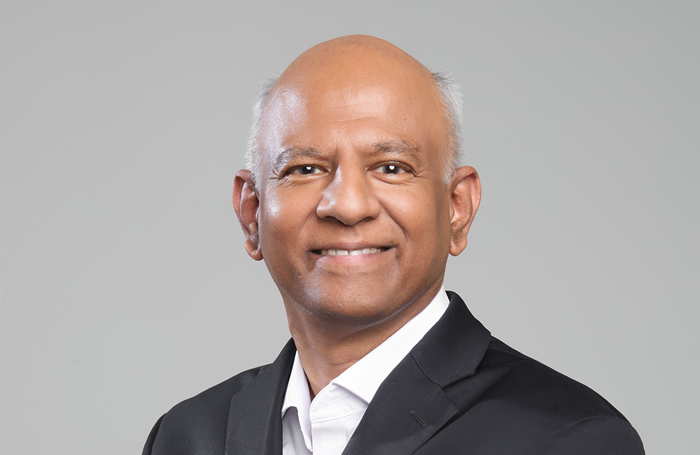
‘With rapid urbanisation, high-rise developments and expanding infrastructure projects, India’s vertical mobility sector is evolving at an unprecedented pace. In this interaction, Mr. Ravikrishnan S. CEO & MD of TK Elevator India —shares insights on emerging trends, smart technologies, safety innovations and the future of elevators and escalators in shaping modern buildings.”
Q1. How is the market for elevators and escalators transforming in India?
India’s elevator and escalator market is witnessing strong growth, driven by rapid urbanisation, vertical construction and large-scale infrastructure projects. Demand is increasing across residential towers, commercial buildings, shopping malls, airports and metro networks, where safety, reliability and minimal downtime are critical. Government initiatives such as Smart Cities Mission and affordable housing programmes are further accelerating market expansion. At the same time, smart technologies including IoT, AI-enabled predictive maintenance, energy-efficient systems and customised designs are redefining customer expectations. The industry is also seeing rising demand from Tier II and Tier III cities, making the market increasingly technology-driven, sustainable and customer-focused.
Q2. What are commercial customers looking for in elevators and escalators?
Commercial customers prioritise high performance, safety and operational efficiency. High-speed elevators, destination control systems and larger cabin capacities help manage heavy passenger traffic efficiently. Reliability with minimal downtime, predictive maintenance, energy-efficient drives, MRL designs and compliance with safety standards are equally important. Customers also seek aesthetically designed elevators that complement building architecture while integrating seamlessly with building management systems through smart digital technologies.
Q3. What are the major demand trends in the residential segment?
Homebuyers today expect elevators to offer comfort, convenience and premium aesthetics rather than simply serving as a functional necessity. Smooth ride quality, quiet operation, energy-efficient technologies and modern safety features are becoming standard expectations. Machine-room-less designs, smart controls, accessibility features and customised interiors are increasingly preferred across premium apartments, villas and high-rise residential projects. Growing awareness of sustainability and accessibility is further influencing purchasing decisions.
Q4. What technologies are enhancing user experience across your product portfolio?
Digital innovation is transforming every aspect of vertical mobility. Solutions such as MAX predictive maintenance, AGILE destination control and TWIN dual-cabin technology improve operational efficiency, reduce waiting time and optimise building space. IoT connectivity, AI-driven diagnostics, touchless controls and integration with building management systems enhance convenience and reliability. Energy-efficient motors, regenerative drives and machine-room-less configurations further improve sustainability while delivering superior ride comfort and safety.
Q5. How important is safety, and what new-age safety features are being adopted?
Safety remains the foundation of modern elevator and escalator systems. Advanced braking systems, overload protection, automatic rescue devices, fire-rated doors and intelligent monitoring ensure safe operation under all conditions. Predictive maintenance platforms continuously monitor equipment performance, helping prevent failures before they occur. Modern solutions also incorporate touchless controls, earthquake-sensitive operation, enhanced escalator protection systems and compliance with global and Indian safety standards, delivering greater confidence for building owners and users alike.
Q6. What growth do you foresee for the industry, and how are you preparing for future demand?
India’s elevator and escalator industry is expected to witness sustained growth as urbanisation, high-rise construction and infrastructure investments continue to accelerate. Rising demand from residential, commercial and transportation sectors presents significant opportunities. To address evolving customer needs, manufacturers are strengthening local manufacturing capabilities, investing in AI, IoT and predictive maintenance technologies, while expanding energy-efficient product portfolios. Continued innovation, sustainability and customer-centric solutions will remain key drivers of long-term growth in India’s vertical mobility market.