

How Hybrid Work Is Redefining Homebuyer Preferences: The Rise of Amenity-Rich Communities
The workplace is no longer confined to office buildings, and neither are the expectations of today's homebuyers. As hybrid work becomes a long-term reality for a large segment of India's workforce, it is fundamentally reshaping the way people evaluate residential properties. Homes are no longer viewed merely as places to live but as multifunctional spaces that support work, wellness, recreation and family life. This shift has accelerated demand for larger homes, flexible layouts, robust digital infrastructure and integrated communities offering lifestyle-centric amenities. Developers are responding by creating thoughtfully planned, amenity-rich residential ecosystems that deliver convenience, connectivity and long-term value. In this evolving landscape, hybrid work is not just influencing where people live—it is redefining what they expect from modern urban living.

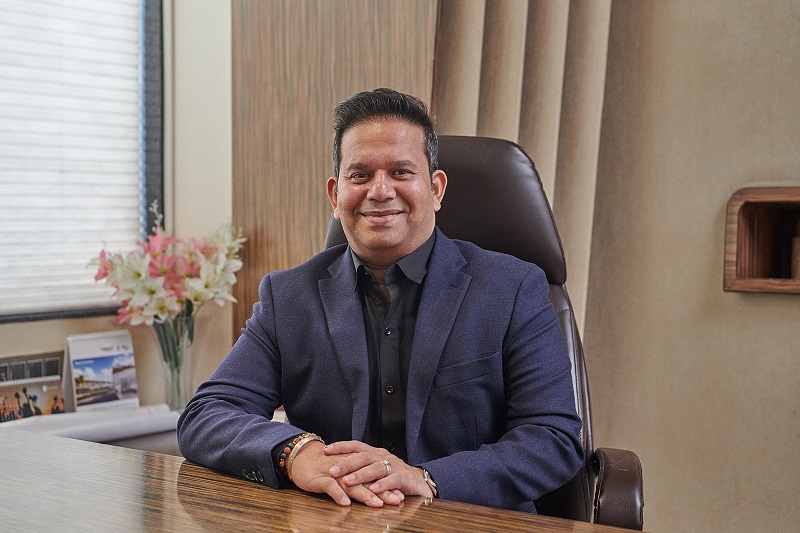
Anand Agarwal, MD, Ceratec Group
The way we work has undergone a fundamental transformation, and in turn, so have our expectations of the places we call home. ‘Hybrid work’ is no longer a temporary adjustment but a defining feature of modern professional life. As the boundaries between work and personal life continue to blur, homebuyers are looking beyond conventional parameters such as location and price. They now seek thoughtfully designed living environments that support productivity, well-being, collaboration, and leisure within the same ecosystem. This shift is redefining the very purpose of residential communities and shaping the future of urban living.
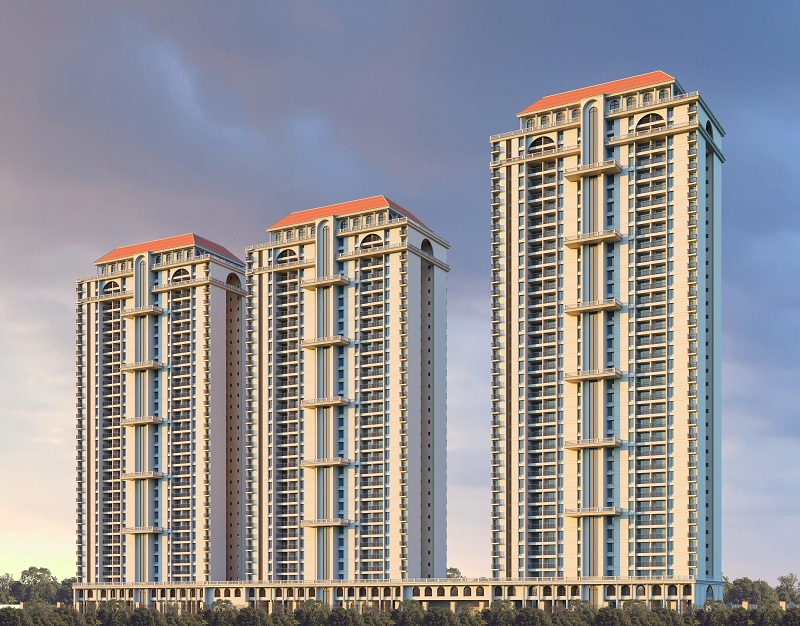
Far from being just a workplace evolution, hybrid work has emerged as a defining factor in residential decision-making. It is reshaping buyer preferences by influencing where people live, how they use their homes, and the communities they choose to be a part of. Recent industry data suggests that this transition is no longer temporary. According to a PricewaterhouseCoopers (PwC) 2025 report, over 73% of Indian companies now operate on hybrid work models, while nearly 75% of employees prefer flexible working arrangements.
Nowhere is this transformation more evident than in Maharashtra. Cities such as Pune, with their strong presence of IT companies, Global Capability Centres (GCCs), engineering firms and manufacturing industries have seen hybrid work reshape homebuying priorities. Instead of choosing homes solely based on proximity to the workplace, buyers are increasingly seeking larger living spaces, better amenities and well-planned communities that support a more balanced lifestyle.
This shift has expanded the geographical footprint of housing demand. Emerging micro-markets such as Wakad, Tathawade, Punawale, Mahalunge, Greater Kharadi and Hinjawadi have witnessed growing interest as improving Metro connectivity, road infrastructure and employment corridors make them practical choices for professionals who commute only a few days a week. Affordability today is no longer measured purely by the purchase price; it is increasingly defined by the overall value a home offers through connectivity, quality of life, lower commuting costs and long-term livability.
The hybrid work culture has also redefined what buyers expect within their homes. A residence is no longer viewed as a place to unwind after work; it must comfortably accommodate work, family life and recreation under one roof. Dedicated workspaces, flexible room layouts, reliable digital infrastructure and abundant natural light have become important considerations during purchase decisions. That’s exactly where safety and quality of construction achieve paramount importance. As hybrid work modules increase, developers need to put in additional effort in terms of construction quality to ensure that spaces designed for professional activities, along with residential spaces, provide the best possible protection against untimely disintegration.
The report also highlights that artificial intelligence and hybrid work are transforming workplaces rather than replacing them. As organisations redesign offices to prioritise collaboration, innovation and employee engagement over fixed desk occupancy, homes are increasingly expected to complement this new way of working. Consequently, buyers are seeking flexible floor plans, community co-working spaces and digitally enabled residential environments that seamlessly support both professional and personal life.
Equally significant is the growing demand for amenity-rich communities. Buyers today seek projects that offer co-working lounges, fitness centres, wellness spaces, landscaped gardens, children’s play areas, walking trails and vibrant community spaces. These are no longer viewed as premium additions but as essential components of everyday living that contribute to productivity, well-being and social interaction.
This evolution is prompting developers to rethink residential planning. Instead of maximising the number of units, the focus is shifting towards creating integrated communities that support multiple aspects of daily life. Intelligent layouts, sustainable construction practices, efficient land use and thoughtfully curated amenities are becoming central to creating long-term value for residents.
Hybrid work has reinforced the importance of value-driven development. Rather than simply delivering larger homes, the emphasis should be on creating better homes through efficient planning, functional design and amenities that genuinely enhance everyday living. As buyers become increasingly aware, they are prioritising projects that offer lasting utility, community engagement and operational efficiency over short-term trends.
The future of residential real estate in India will therefore be shaped not merely by where people work, but by how they choose to live. Developers who recognise this evolution and build communities that seamlessly support work, wellness, family life and sustainability will be best positioned to create enduring value in the years ahead.

