
TK Elevator: Driving the Next Generation of Vertical Mobility
TK Elevator: Driving the Next Generation of Vertical Mobility The future of vertical mobility will be defined by how effectively technology, engineering and architecture come together. With high-rise developments demanding greater capacity, intelligence, sustainability and reliability, elevator solutions are becoming increasingly sophisticated. Mr. Ravikrishnan S, CEO & MD, TK Elevator India, shares his perspective on the technologies and design approaches that will shape the next chapter of vertical transportation.


1. How is TK Elevator India supporting India’s Made in India manufacturing vision through localized production, engineering, and innovation?
India is a strategically important market for TK Elevator, and our commitment to Make in India goes beyond manufacturing. We are investing in local manufacturing, engineering and innovation to develop solutions suited to Indian requirements. Our manufacturing facility in Chakan, Pune, is an important hub for locally manufactured elevators and escalators. This combination of local manufacturing and global technology enables us to deliver world-class mobility solutions closer to our customers.
2. As India’s skylines continue to grow vertically, how are elevator technologies evolving to meet the demands of tall residential and commercial buildings?
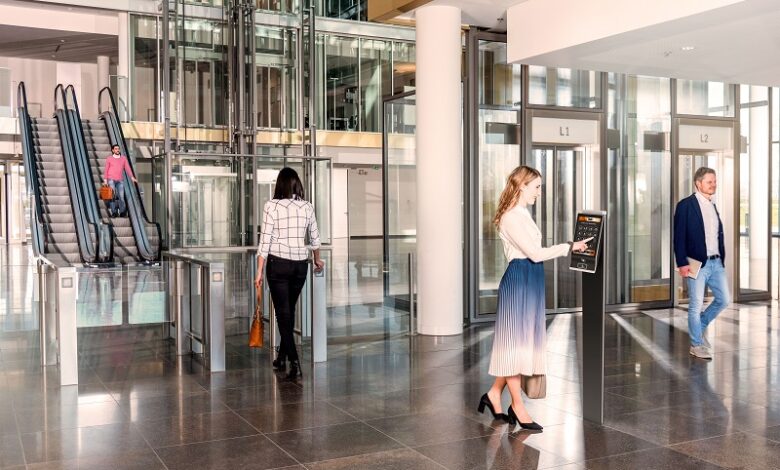
As buildings become taller and denser, elevators are evolving from basic transportation systems into intelligent mobility solutions. The focus is on higher speeds, greater traffic-handling capacity, intelligent dispatching, safety, energy efficiency and passenger experience.
Technologies like AGILE destination control (DSC) optimize passenger flow by intelligently grouping destinations, while TWIN, with two independent elevator cars operating in one shaft, delivers higher capacity while optimizing valuable building space—making both particularly relevant for the high-rise buildings of tomorrow.
3. How can architects, developers, consultants and elevator experts work together to integrate vertical mobility into a building’s design, efficiency and overall user experience?
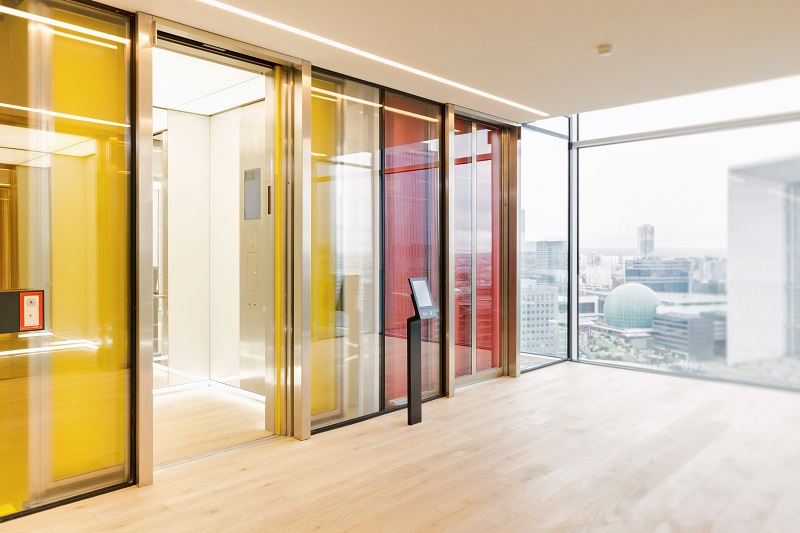
Choice of elevators should be considered at the early design stage, rather than added later. Close collaboration with a reputable elevator manufacturer or consultant helps optimize shaft requirements, traffic flow, number and size of elevators, accessibility, energy efficiency, aesthetics and lifecycle costs.
It also enables mobility requirements for different user groups—residents, employees, visitors and service personnel—to be addressed from the outset. In premium projects, this collaboration can further integrate cabin design, finishes, lighting and digital interfaces with the building’s overall architectural identity and customer experience.
4. What innovations are shaping the future of high-rise mobility in India?
The industry is moving towards connected, intelligent and data-driven mobility. Destination-control systems improve passenger flow, while predictive-maintenance technologies such as MAX use real-time data and analytics to identify potential issues before breakdowns occur. Energy-efficient systems, remote monitoring, AI and digital connectivity will increasingly shape high-rise mobility.
5. What factors should architects and developers consider when selecting elevator solutions for tall buildings, balancing performance, safety and sustainability?
The starting point should be the building’s actual mobility requirements, rather than simply selecting the highest speed or capacity. Key considerations include traffic patterns, peak-hour handling, building height, elevator capacity and speed, safety and accessibility, energy efficiency, shaft space, lifecycle costs, service support and future modernization.
6. What trends will define the next decade of vertical transportation in India, and how is TK Elevator preparing for this future?
The next decade will be shaped by five key trends:
- Intelligent and connected elevators supported by AI, data and predictive maintenance.
- Greater integration with smart buildings, access control and building management systems.
- Stronger focus on sustainability, energy efficiency and lifecycle performance.
- Enhanced passenger experience through personalization, digital interfaces and design.
- A shift from selling equipment to providing end-to-end, lifecycle solutions.
For TK Elevator, the opportunity is to combine our engineering expertise, local manufacturing and digital innovation to help shape the future of urban mobility in India.